

ERP Has a Branding Problem

Exposure & Response Prevention (ERP) is the gold standard in evidence-based treatment for OCD. Here at Bull City Anxiety & OCD Treatment Center, we’re pretty into it. ERP is kind of our jam. But we’re not oblivious; we hear the whispers about ERP. It’s scary. It’s barbaric. It’s robotic. Maybe we’re biased, but we think ERP is pretty alright; it just has a bit of a branding problem. It’s not cozy and comforting. It’s not a feel-good, wellness journey to the spa. Maybe it’s the name — it sounds pretty hard core. Whatever the issue, we think there are some misconceptions about ERP that we’d like to clear up.
Myth #1: ERP is cruel
OCD is a debilitating illness. Not to be Debbie Downer, but OCD is correlated with all sorts of upsetting things. It impacts quality of life, daily functioning, and much more. But here’s the good news: there’s a really effective, evidence-based treatment. So if you ask me, the only cruel thing here would be withholding a potentially life-saving treatment.
Myth #2: ERP will make you anxious.
Do you know what else makes you anxious? OCD! No one comes into our office feeling blissfully anxiety-free. We’re not asking our clients to do or experience anything that they’re not already dealing with every day. The difference is that we’re asking our clients to take control. Rather than living in fear of their anxiety, we’re going on offense. We’re telling OCD that we’re not going to be pushed around anymore and we’re going to show it who’s boss. So yes, ERP involves eliciting anxiety, but it’s really just choosing to be anxious rather than having OCD choose for you.
Myth #3: ERP is overwhelming.
One of the goals of ERP is to break your OCD down to size. We create an exposure hierarchy so that we can systematically and gradually approach feared situations and experiences. We have nothing to gain by giving you more than you’re ready for. We want you to build off of your successes. We want you to incrementally feel more capable and confident when facing your anxiety. We do this by taking smaller steps, repeating exposures consistently so that you can grow more accustomed to them without feeling overwhelmed. And most importantly, we collaborate along the way so that you are never doing an exposure that you’re not ready for. You will never be forced to do anything you’re not on board with. You will always be 100% in control of your treatment. We’re here to guide and support you, but never to make you do anything.
Myth #4: ERP doesn’t work for mental compulsions.
ERP is a little trickier with mental compulsions, but still effective. Disengaging from compulsive thoughts is not as straightforward as resisting a tangible compulsion, like hand-washing. It requires time spent building awareness of compulsive thought patterns and implementing non-engagement strategies to strengthen response prevention. So there are some extra steps, but ultimately we’re talking about the same thing: our goal is to disrupt the cycle of reinforcement that perpetuates OCD by eliminating any behaviors (even mental behaviors!) that function compulsively.
Myth #5: ERP is just facing your fears.
There are two parts of ERP. The exposure part is, indeed, about proactively confronting fear. Most of our clients are already doing some aspects of exposure. They’re coming into contact with anxiety and their feared triggers on a daily basis. But these incidental daily exposures have not resulted in improvements because they are not doing the second part of ERP — response prevention. This is the special sauce. It’s what makes ERP effective. By removing compulsions, you allow your brain to come to more accurate conclusions. It learns that you are able to avoid catastrophe, tolerate distress, and feel uncertain without any terms or conditions attached. You don’t need rituals or compulsions in order to resolve these experiences. This is what ERP is all about — it’s an opportunity to experientially provide your brain with a corrective experience so that it can learn and come to more adaptive conclusions about risk and danger.
Takeaways:
We know ERP can sound intimidating. But we promise, we’re not sadists who enjoy your distress. We’re compassionate therapists who know how effective ERP can be and we want relief for you. We want to help you access a treatment that can be a gamechanger for folks with OCD. If you have any questions or reservations about ERP, please reach out to us. We’d be happy to walk you through it and help you get a better sense of what this treatment is really like.
Why Do We Care So Much About Evidence-Based Treatment?
Why We Use Evidence-Based Treatments for OCD
If you're looking for therapy for OCD, you've probably seen the phrase evidence-based treatment come up again and again, including on our website. But what does that actually mean? And why is it something you should care about?
We’ve built a practice around these principles, so figured it’d be helpful to explain why we feel evidence-based treatment is so important.
What Does "Evidence-Based" Mean?
Evidence-based treatments are therapeutic approaches that have been studied and shown to be effective through scientific research. Rather than relying on intuition, trends, or anecdotes, evidence-based therapies are supported by data demonstrating that they help people improve.
This doesn’t mean that therapy just becomes a robotic, one-size-fits-all approach to treatment. It means that we use research-backed interventions, combined with our unique understanding of our clients and their individual experiences. This is flexibility within fidelity — we can adhere to a treatment model, while dynamically adjusting to suit the needs of our clients.
Effective OCD treatment requires creativity, flexibility, and collaboration. Our therapists use evidence-based principles as a roadmap, but we tailor treatment to each individual's symptoms, strengths, and goals.
Why This Matters for OCD
Our group treats a lot of people with OCD. We’ve seen first-hand the damage that has been done to our clients at the hands of well-intentioned therapists who didn’t know what they didn’t know. We’ve seen clients who have received “therapy” for OCD only to see their symptoms worsen over time. We’ve seen years and decades lost to OCD — time unnecessarily spent in the throes of an illness with a clear, evidence-based treatment that works.
Sadly, that time spent in ineffective treatment can potentially exacerbate OCD symptoms. Many of the strategies that seem like they should help actually end up strengthening OCD. For example, spending therapy sessions analyzing intrusive thoughts, seeking reassurance, or trying to eliminate uncertainty can unintentionally reinforce the cycle that keeps OCD going.
Research over the past several decades has consistently found that the most effective treatment for OCD is a specialized form of Cognitive Behavioral Therapy (CBT) called Exposure and Response Prevention (ERP). You can learn more about ERP here. Essentially, ERP helps people gradually face feared situations, thoughts, feelings, or sensations while resisting the compulsions and rituals that perpetuate OCD. Over time, the brain learns that anxiety and uncertainty can be tolerated without relying on compulsions.
While ERP can sound intimidating at first, it is one of the most well-researched psychological treatments available and has helped countless people reclaim their lives from OCD. It’s not a perfect treatment, but it’s the best option we have and it’s recommended by the International OCD Foundation as the first-line treatment for OCD.
Why We Prioritize Specialized Training
Providing effective OCD treatment requires specialized training and ongoing education. Most therapists receive limited training in OCD during graduate school, which contributes to OCD being frequently misdiagnosed or treated with approaches that aren't particularly effective. Therapists simply don’t know what they don’t know. And to be clear: we’re not judging. Many of our clinicians found ourselves in graduate programs that barely mentioned OCD in their curriculum. We had to seek out specialized training, finding work experience and mentors that helped expand our knowledge and expertise.
Our clinicians regularly participate in advanced training, consultation, and continuing education focused specifically on OCD and anxiety disorders. We believe that clients deserve care from professionals who understand the latest research and know how to apply it effectively. In fact, our therapists regularly train other clinicians to treat OCD. You can catch several of us speaking the upcoming IOCDF Annual OCD Conference.
What This Means for You
Evidence-based treatment doesn't guarantee that therapy will always feel easy. It’s not a cure-all or easy button. In fact, effective OCD treatment often involves doing difficult things on purpose. But it does mean that the work you're doing is grounded in approaches that have been shown to help people with OCD.
Our goal is not simply to help you feel better in the moment. It's to help you build lasting skills that allow you to live the life you want—even when uncertainty, anxiety, or intrusive thoughts show up.
This is a hill we’re willing to die on. Everyone has the right to choose their own path — if your uncle’s roommate cured their OCD with crystals and supplements, then by all means, give it a shot if you want. But we think we have an obligation to provide our clients with treatment backed by sound scientific principles. That's why evidence-based care is at the heart of everything we do.
Getting the Most out of Treatment

Ben & Erin were recently guests on the IOCDF’s “Ask the Experts” livestream with Chris Trondsen. We talk all about how you can make the most of OCD treatment, discussing topics such as: in-session ERP, at-home practice, integrating self-compassion, addressing co-occurring disorders, and adapting an “ERP lifestyle” mindset. If you missed it live, you can catch the recording on the IOCDF’s YouTube Channel.
When is it More Than "Normal Mom Worry?": Perinatal Anxiety and OCD
Written by Allie Lieber
The perinatal period, spanning pregnancy through the first year postpartum, is a time of profound psychological and physiological change. Some degree of worry during this transition is not only common, it's adaptive. Your nervous system is recalibrating to meet the responsibility of keeping your new baby safe. However, there are times when this protective system becomes overactivated. When worry shifts from expected adjustment to persistent distress, additional support may be needed. In this article, we'll discuss how to identify when typical postpartum stress starts to look more like clinical anxiety or OCD.
What Is Considered “Normal”?
New and expecting moms often experience a sense of heightened vigilance. You might find yourself checking the baby monitor to make sure your baby is breathing, researching and searching for reassurance late at night, or replaying a conversation with your OB or pediatrician. This kind of worry, fatigue, and heightened alertness is common. However, the worry typically:
Fluctuates rather than feeling constant
Does not significantly impair functioning or sleep (most of the time)
Responds, at least partially, to reassurance and logic
Is proportionate to a specific, identifiable concern
It's Something More: Perinatal Anxiety
Perinatal anxiety affects roughly 20% of perinatal women. While postpartum depression has received more attention, perinatal anxiety is roughly as common, yet often underrecognized. Here are some signs to help identify perinatal anxiety:
Persistent, excessive, and difficult-to-control worry
Racing thoughts that make it hard to sleep even when the baby is sleeping
Physical symptoms such as a rapid heartbeat, muscle tension, or nausea
Avoidance of certain situations or activities
A pervasive sense of impending harm coming to you or your baby
Rather than waxing and waning, the anxiety may feel relentless.
“What if” It’s Something More: Perinatal OCD
Perinatal OCD is much less understood. While OCD affects 1-2% of the general population, its prevalence is higher amongst perinatal women and subclinical intrusive symptoms are even more common. It is characterized by repetitive, intrusive thoughts or images and associated mental or physical behaviors to relieve the anxiety caused by these thoughts.
These thoughts are often related to the pregnancy and the baby. Sometimes moms can have scary thoughts about harming their baby. These thoughts are ego-dystonic, meaning they feel deeply inconsistent with who the mom is and what she would ever want to happen. That’s why these thoughts are so distressing. Perinatal OCD can also be the emergence or worsening of OCD symptoms during the perinatal period, in which case it can present with a range of other OCD themes such as health anxiety, cleanliness, and more.
Signs of perinatal OCD include:
Repetitive, unwanted, intrusive "what if" thoughts
Avoiding certain objects (knives, stairs, bathtubs) out of fear
Excessive checking behaviors such as repeatedly checking breathing, temperature, locks
Seeking repeated reassurance from a partner or doctor that does not bring lasting relief
Feeling ashamed and hiding your thoughts from others
If any of this sounds familiar, please know: these thoughts do not make you a bad mom. They are symptoms of a treatable condition.
When to Reach Out
Some amount of worrying is adaptive and functional. But suffering in silence, or white-knuckling through intrusive thoughts alone, is not a requirement of motherhood. You deserve support, not just your baby. Reach out to a provider if your anxiety or intrusive thoughts are:
Interfering with your sleep, relationships, or ability to care for yourself or your baby
Causing you significant distress or shame
Leading you to avoid people, places, or activities
Getting worse rather than better over time
Effective Treatments Exist
Cognitive Behavioral Therapy (CBT) and a specific approach called Exposure and Response Prevention (ERP) are highly effective for both perinatal anxiety and OCD. Medication is also an option and can be safe during pregnancy and breastfeeding. Your provider can help you weigh the options.
Perinatal anxiety and OCD are manageable and treatable conditions.
At Bull City Anxiety and OCD we have providers that are trained in both evidence-based treatments for OCD as well as special considerations for the perinatal population. We also offer supplemental treatment programs for perinatal women and moms of young children to learn together and support one another through their journeys. The Perinatal Anxiety & OCD Treatment Group meets on Tuesdays at 12pm. We hope you will join us here.
If you're in crisis or need immediate support, contact the Postpartum Support International helpline at 1-800-944-4773 or text "HELLO" to 220-25.
Perinatal Anxiety & OCD Treatment Group
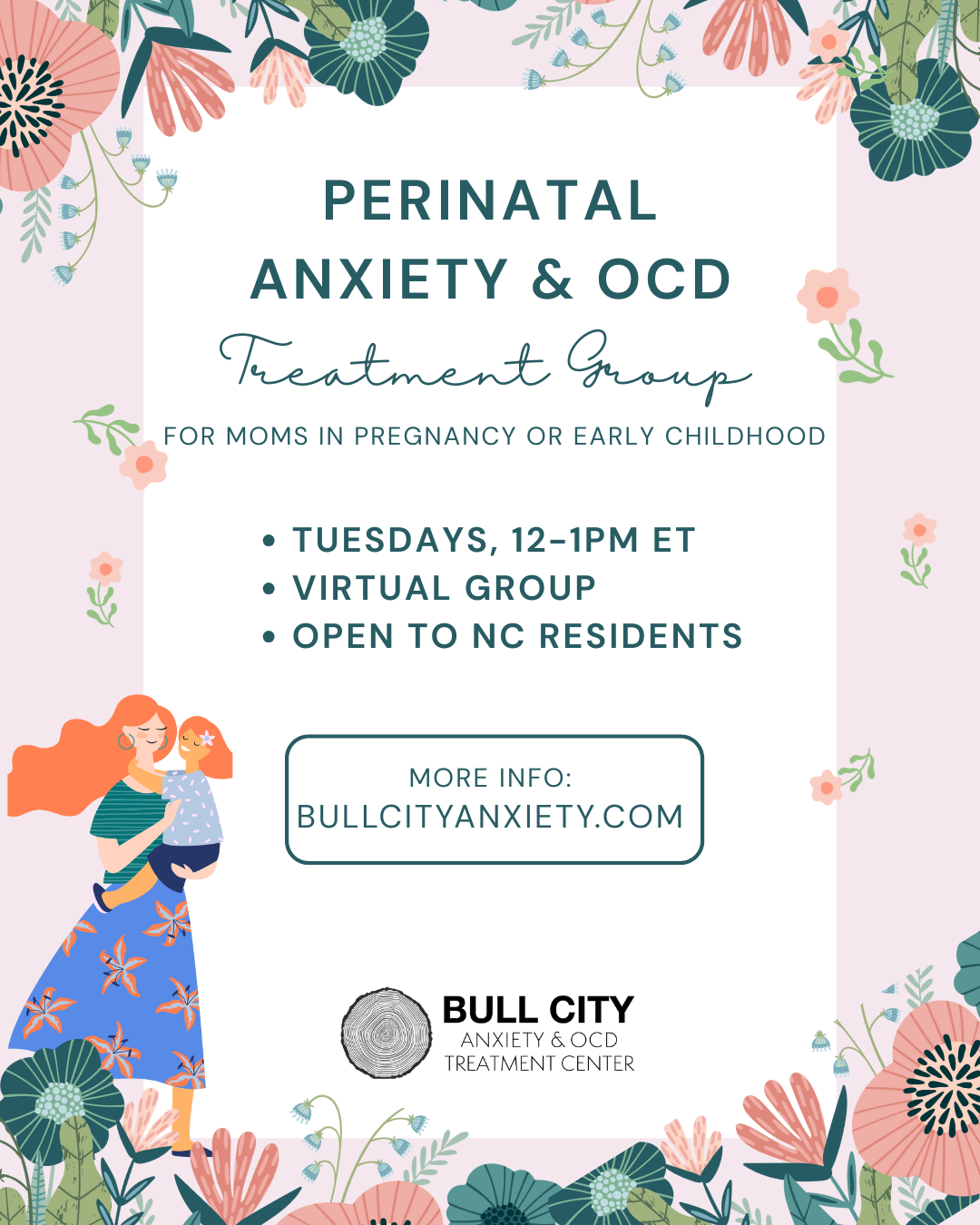
We have a new group starting in March! This treatment group will be a dedicated space for women who are pregnant or navigating motherhood through the early childhood years with anxiety and OCD. While best used alongside individual therapy, this group offers a powerful combination of education, treatment planning, and skill-building. You will gain the practical tools and the supportive community needed to not just cope, but to truly thrive as a mother living with perinatal anxiety or OCD. The group will be co-led by Erin Jones, LCMHC, PMH-C and Allie Lieber, LCSWA. Space is intentionally limited to eight participants to ensure a close, supportive environment. Enrollment is first come, first served. A brief and complimentary intake session can be scheduled, as needed. Check out the group page for more information!
OCD Treatment Lunch & Learn Series
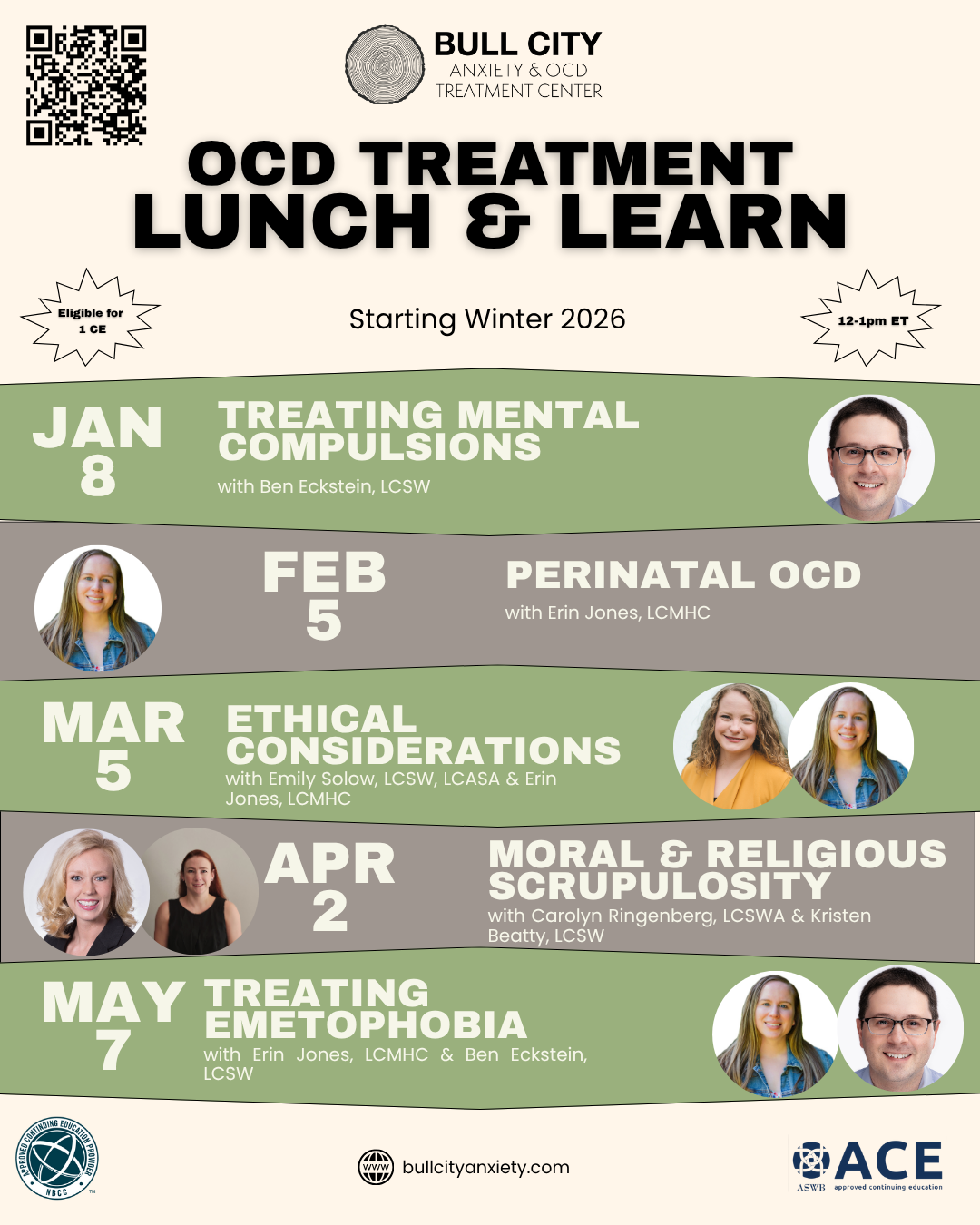
We love hosting these lectures! Check out the latest lineup of trainings that the BCAOTC crew is offering. These are monthly, one-hour, virtual lectures. They’re CE-eligible (we’re an approved provider for ASWB/ACE and NBCC/ACEP) and focus on a variety of OCD-related topics. The next lecture will be coming up next week — Perinatal OCD: Diagnostic and Treatment Considerations with Erin Jones. You can register for individual lectures here.
OCD North Carolina Lecture Series

OCD North Carolina, our state’s affiliate of the International OCD Foundation, offers a variety of resources and events for the OCD community in NC. This monthly lecture series is FREE, virtual, and open to folks anywhere. It’s meant for individuals with lived experience, loved ones, and clinicians alike… anyone who’s interest in learning more about OCD and related disorders. Check out the lineup for this winter/spring! You can register to receive a Zoom link here.
SPACE Group Enrolling for Spring 2026
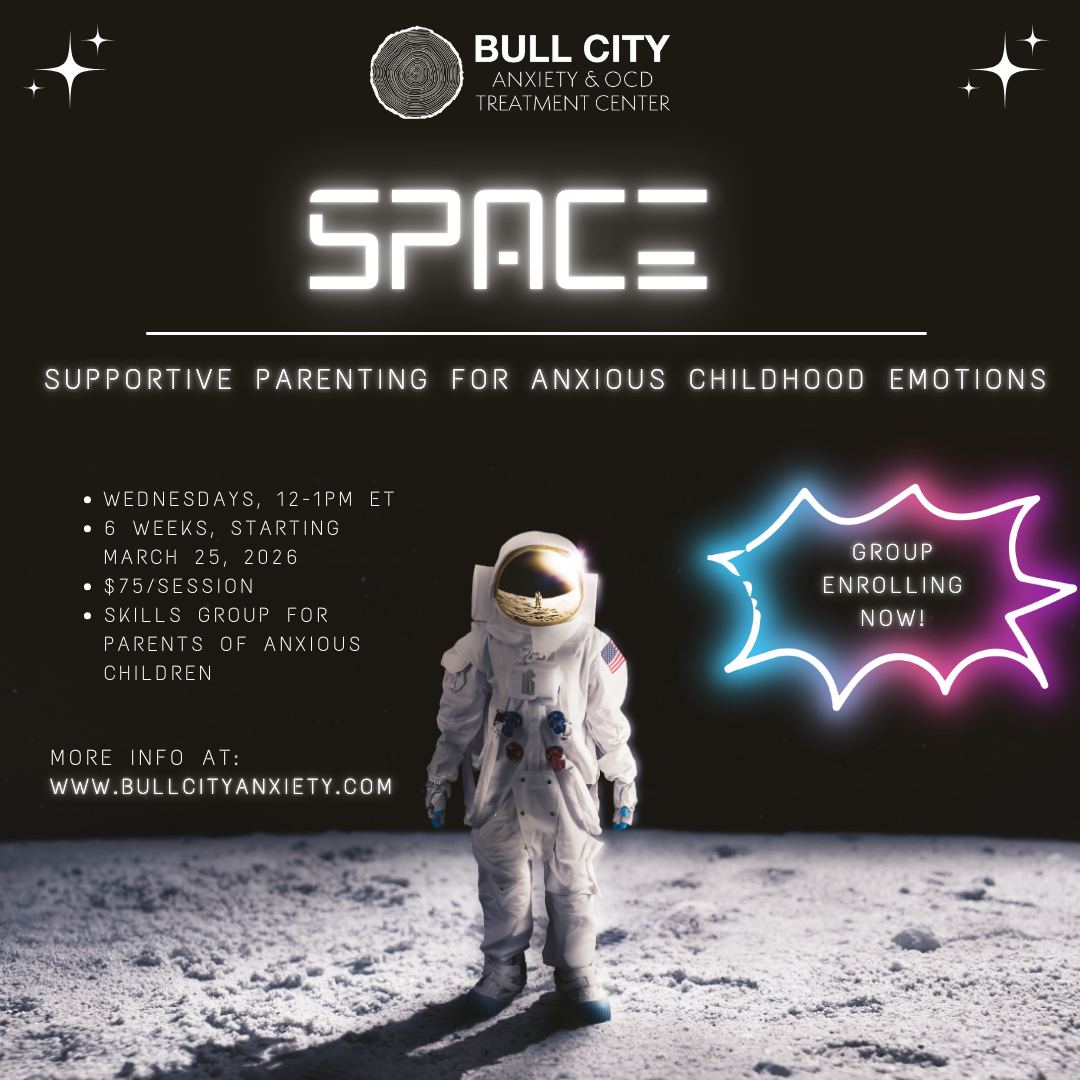
While the winter cohort of the SPACE group is full, we have opened registration for the next group, which will run from March 25th through April 29th. For anyone unfamiliar, SPACE stands for Supportive Parenting for Anxious Childhood Emotions. It’s a parent-based treatment for childhood anxiety and OCD, developed by Dr. Eli Lebowitz at the Yale Child Study Center. SPACE focuses on helping parents to learn effective strategies for supporting their children, while systematically removing unhelpful accommodations that perpetuate anxiety. Check out the group page for more information or to register for the group.
5 Benefits of Group Therapy for OCD
Here at BCAOTC, we have been thrilled to continue to grow and be able to offer a variety of treatment and support groups for individuals with OCD and their families. With the addition of several groups and some group cycles returning in January 2025, we want to share more on why group therapy can be helpful. The following are five benefits and reasons to consider group therapy in general, with some added considerations for those with OCD or related diagnoses:
Support
Groups can be divided into two types: Treatment groups and support groups. Treatment groups are led by clinicians and are more structured, drawing from evidence-based treatment modalities. They tend to help group members learn skills to work towards specific goals for chance. Support groups, on the other hand, are more open and focus on providing a safe environment for people who can relate to each other. Support groups are sometimes led by peer support specialists, community members, interns, etc. Regardless of the type of group, they all have a supportive element, as they involve discussion and collaboration among others with shared experiences.
Support groups can be especially helpful and valuable for teens and adults with OCD. Due to the presence of misinformation in the media and a need for greater education, individuals with OCD can often face guilt and shame due to stigma. Support groups can help individuals with OCD combat stigma by seeing that they are not alone, growing their therapeutic community.
Evidence-Based
Before you commit to any therapy program, it is important to understand its empirical support. It is especially important to find evidence-based treatment for OCD, such as Exposure and Response Prevention (ERP) therapy, as other common therapy modalities are not helpful and can even worsen OCD symptoms. Fortunately, group therapy itself, as well as group therapy for individuals with OCD, has been researched for decades, demonstrating that CBT-based therapies, including ERP, can reliably benefit individuals with OCD in their reduction of symptoms. References and more information can be found through the International OCD Foundation (iocdf.org).
Accountability
Have you ever benefitted from an accountability buddy? More likely to go to the gym if a friend is joining? The same often goes for group therapy! Group members often report that being accountable to their therapist and other group members helped them improve consistency and follow-through with their exposure and other skills practice. Treatment groups specifically tend to involve weekly homework and follow ups,
Cost-Effective
Treatment groups vary in price due to factors such as type of treatment modality, clinician expertise, and others. With closed groups having a set time frame, they can generally be more cost-effective than longer term programs, since there is a known upfront cost. Each group session generally costs less than an individual therapy session.
Support groups tend to be a free resource and are not bound to clinician state licensing requirements. Therefore, support groups are often open to people living in any location when held virtually.
Helpful Introduction to Treatment
Starting therapy in general, especially exposure therapy, can often feel overwhelming. A temporary group can allow for someone to learn more about ERP without a major time commitment. As a result, that’s why we often say that our 7-week ERP Treatment group for adults can be helpful for those who are “ERP Curious,” or those who would like to learn more and give it a try with a limited time commitment. This is especially the case for “closed” groups, which have a set timeline. Most of our treatment groups at BCAOTC tend to take place over 6-8 weekly or bi-weekly sessions.
We have various ongoing free support groups and several paid treatment groups now recruiting for January (Moms with OCD, ERP group for adults, and an in-person teen group). To learn more, visit: https://www.bullcityanxiety.com/groups
If you’re looking for OCD Treatment groups outside of our practice, the International OCD Foundation (IOCDF) has a directory here.
Written by Erin Jones, LCMHC
Ask the Author Webinar
Ben Eckstein, LCSW recently participated in an “Ask the Author” interview for ADAA all about his recent book, Worrying is Optional. Check out the recording below:
Online OCD Conference

The IOCDF’s Online OCD Conference is coming up in November! This is a great opportunity to learn all about the latest and greatest in OCD treatment and research, all within the comfort of your home and at a fraction of the cost of the in-person Annual OCD Conference. The BCAOTC crew will have a few presentations at this year’s conference. Come check us out!
IOCDF “Ask the Experts”
I (Ben) was very excited to be invited to join Chris Trondsen and Liz McIngvale on the IOCDF “Ask the Experts” livestream today! If you weren’t able to tune in, you can watch the video here. This video, along with loads of other OCD-related content, is available on the IOCDF YouTube channel. Check it out!
Science of Fear!


We were excited to be invited back the Museum of Life and Science’s “Science of Fear” night! We brought our virtual reality set-up and helped attendees face their fears of heights by walking a virtual plank atop a skyscraper. And of course, we snuck away from our booth and visited some creepy crawly friends!
New Groups!

The crew at BCAOTC has gotten pretty into running therapy groups! While individual therapy is great, we’ve really come to appreciate just how valuable it can be for clients to connect with other folks who are going through the same things. Mental health problems can be isolating, layering shame and stigma on top of an already difficult challenge. The connection and understanding in groups can go a long way in dismantling some of that shame. And they’re more affordable, to boot! Check out our website for a full listing of the groups we’re offering — registration is open now for all of the groups starting in January 2025.
IOCDF Annual Conference Highlights


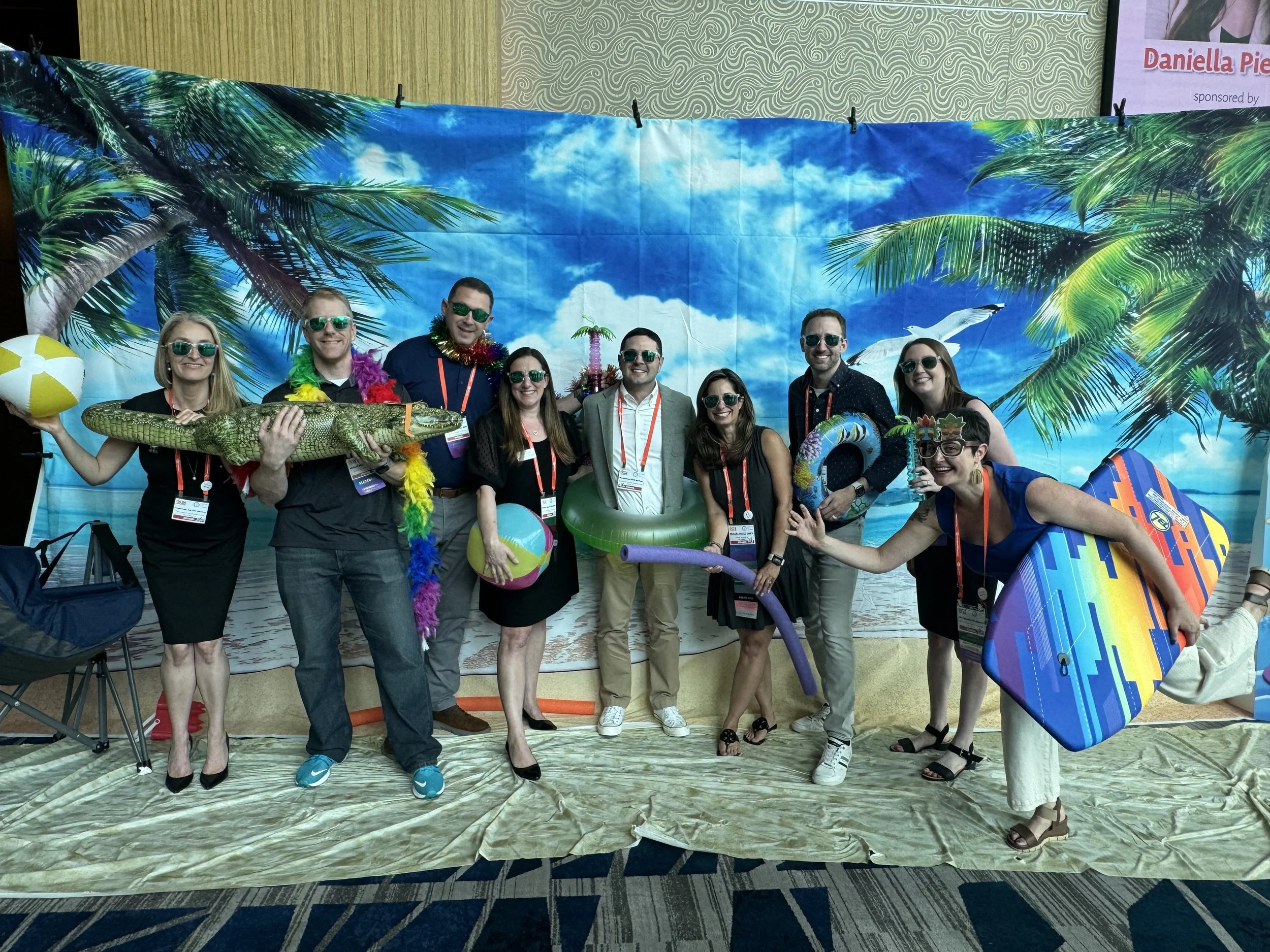

As always, our hearts are full after returning from another successful IOCDF conference. Our entire team made the trip to Orlando, soaking up sun and all of the latest OCD info we could absorb. Between us, we also gave five presentations! The conference is such a special place and it’s an important annual reminder of why we do what we do. The OCD community is the best and we’re honored to be a part of it.
New Podcasts!
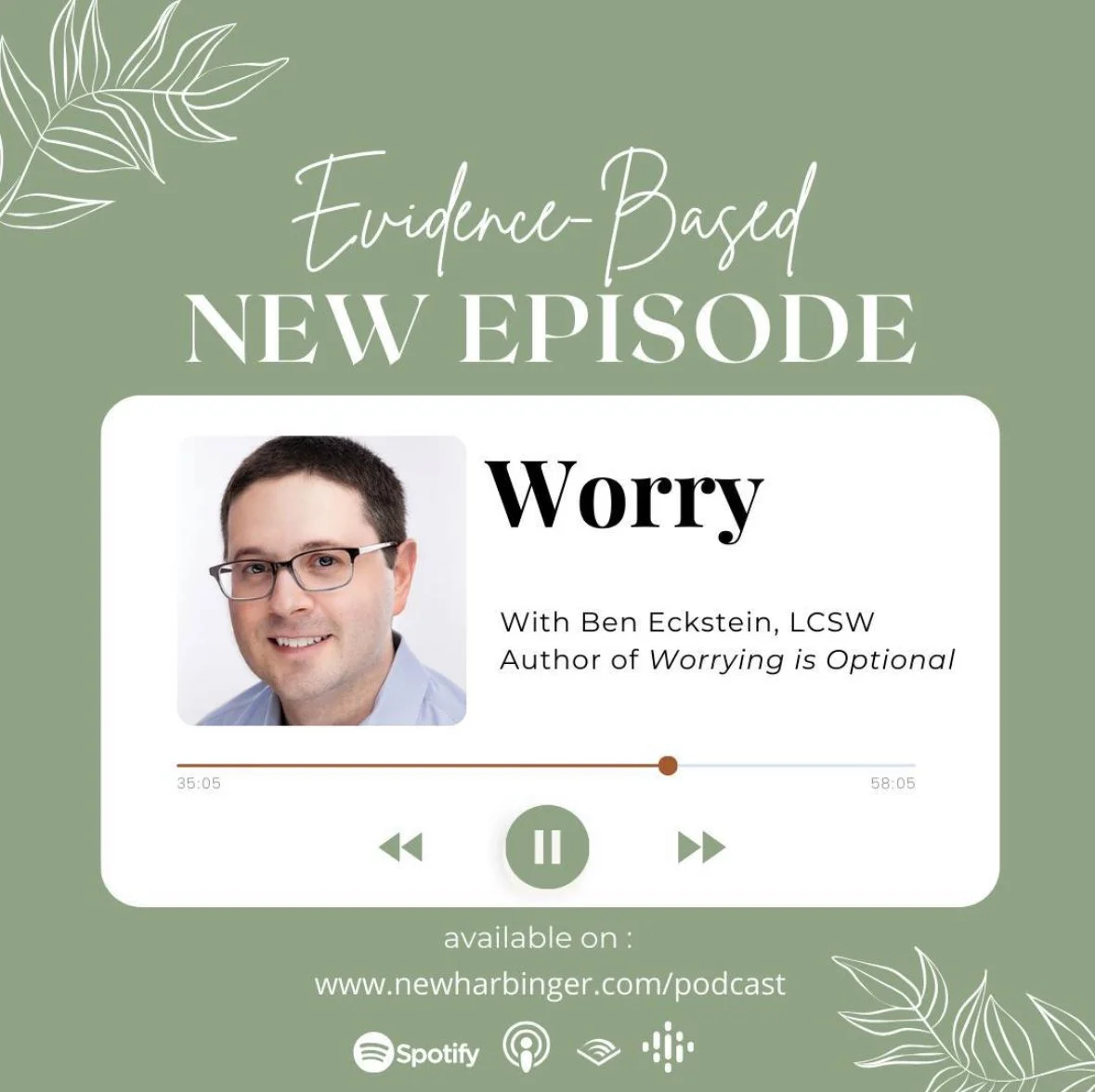

I (Ben) have a couple of new podcast episodes that were just released. The first is on one of my favorite podcasts, Psychologists Off the Clock; the second is on Evidence-Based, a podcast produced by my publisher, New Harbinger. Both episodes dig into worrying and highlight some of the tools described in my book.
The IOCDF Annual Conference is Coming Up!
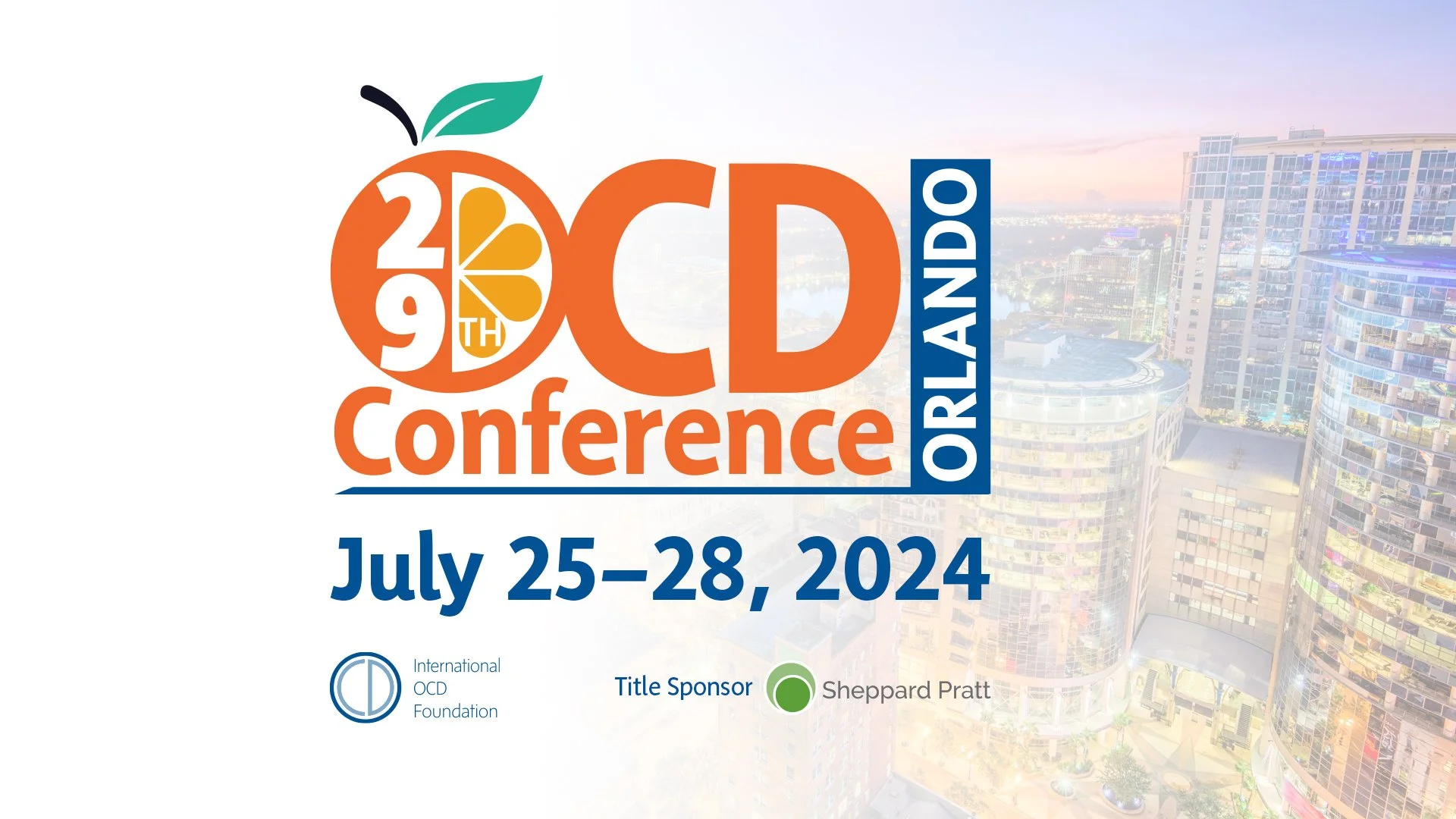
The BCAOTC team will be descending on Orlando next week, as we all will participating in the International OCD Foundation’s Annual Conference! This weekend is the highlight of the year for most OCD therapists and we can’t wait to connect with the community and geek out on all of the latest and greatest in the world of OCD. Several of our clinicians will also be giving presentations :
Friday, 7/26
OCD Crashed My Party: Support Group for High Schoolers with Erin Jones and Allison Bell
Parenting Your Adult Child with OCD: Integrating Diverse Perspectives to Build Better Support with Ben Eckstein, Alec Pollard, Micah Howe, and Patti Olitzky
Saturday, 7/27
Beats OCD: Creating Your Exposure Playlist with Erin Jones, Allison Bell, and Desiree Untch
It’s My Baby, Too: Treatment of Perinatal and Postpartum OCD Across Diverse Caregivers with Ben Eckstein, Marni Jacob, Michelle Massi, and Mary Kimmel
Come see us at our talks or at the BCAOTC exhibit booth throughout the weekend!
New ERP Group!

Erin Jones, LCMHC and Jeremy Bryant, LCMHC are excited to be offering a new group for adults with OCD. This 7-week treatment group will incorporate evidence-based practice modalities including Exposure and Response Prevention (ERP) and Acceptance and Commitment Therapy (ACT). Group members will learn how to plan exposures, unhook from intrusive thoughts, and implement response prevention strategies. Time will be allotted for exposure practice and debriefing, while also allowing for support and discussion amongst others who experience OCD. Weekly homework goals will be set to help the group stay accountable on their treatment goals as they work towards "crushing OCD" and living a values-based life.
To register or for more information, click here.
New Podcast Alert!

Check out the most recent episode of the OCD Whisperer podcast! Ben joined host Kristina Orlova to talk about Exposure and Response Prevention (ERP) and how to avoid some of the more common pitfalls that can interfere with the treatment being effective.
Moms with OCD Group

We’re excited to offer a new therapeutic group, created just for moms with OCD. Erin Jones, LCMHC will be facilitating, using an ACT framework, with emphasis on building self-compassion. The group will be closed (i.e. new members will not be allowed to join after the group has started) and participants will be limited. If you’re a mom with OCD who could stand to be a bit kinder to yourself, please consider this group!
-
July 2026
- Jul 7, 2026 ERP Has a Branding Problem Jul 7, 2026
-
June 2026
- Jun 29, 2026 Why Do We Care So Much About Evidence-Based Treatment? Jun 29, 2026
-
May 2026
- May 27, 2026 Getting the Most out of Treatment May 27, 2026
-
March 2026
- Mar 17, 2026 When is it More Than "Normal Mom Worry?": Perinatal Anxiety and OCD Mar 17, 2026
-
February 2026
- Feb 3, 2026 Perinatal Anxiety & OCD Treatment Group Feb 3, 2026
-
January 2026
- Jan 29, 2026 OCD Treatment Lunch & Learn Series Jan 29, 2026
- Jan 19, 2026 OCD North Carolina Lecture Series Jan 19, 2026
- Jan 15, 2026 SPACE Group Enrolling for Spring 2026 Jan 15, 2026
-
November 2024
- Nov 15, 2024 5 Benefits of Group Therapy for OCD Nov 15, 2024
- Nov 12, 2024 Ask the Author Webinar Nov 12, 2024
- Nov 4, 2024 Online OCD Conference Nov 4, 2024
-
October 2024
- Oct 30, 2024 IOCDF “Ask the Experts” Oct 30, 2024
- Oct 28, 2024 Science of Fear! Oct 28, 2024
- Oct 24, 2024 New Groups! Oct 24, 2024
-
July 2024
- Jul 30, 2024 IOCDF Annual Conference Highlights Jul 30, 2024
- Jul 19, 2024 New Podcasts! Jul 19, 2024
- Jul 16, 2024 The IOCDF Annual Conference is Coming Up! Jul 16, 2024
-
May 2024
- May 1, 2024 New ERP Group! May 1, 2024
-
March 2024
- Mar 6, 2024 New Podcast Alert! Mar 6, 2024
- Mar 3, 2024 Moms with OCD Group Mar 3, 2024
-
February 2024
- Feb 25, 2024 OCD North Carolina Board Retreat! Feb 25, 2024
-
January 2024
- Jan 5, 2024 Intensive OCD Program Jan 5, 2024
- Jan 5, 2024 New OCD Support Group! Jan 5, 2024
-
October 2023
- Oct 26, 2023 Science of Fear Oct 26, 2023
- Oct 19, 2023 Online OCD Conference Oct 19, 2023
- Oct 7, 2023 OCD Walk! Oct 7, 2023
-
September 2023
- Sep 28, 2023 Welcome, Jeremy Bryant, LCMHC Sep 28, 2023
-
August 2023
- Aug 16, 2023 One Millions Steps for OCD Walk - 2023 Aug 16, 2023
-
June 2023
- Jun 29, 2023 IOCDF Annual Conference Jun 29, 2023
- Jun 29, 2023 Interview for TIME Magazine Jun 29, 2023
-
March 2023
- Mar 28, 2023 Come check us out at ADAA in Washington DC! Mar 28, 2023
-
February 2023
- Feb 23, 2023 ADAA Blog — Infusing ERP with Self-Compassion Feb 23, 2023
-
January 2023
- Jan 23, 2023 Introducing Erin Jones Jan 23, 2023
- Jan 13, 2023 We're Hiring! Jan 13, 2023
- Jan 3, 2023 We have a newsletter! Jan 3, 2023
-
November 2022
- Nov 7, 2022 2022 Online OCD Conference Nov 7, 2022
- Nov 7, 2022 OCD Walk Nov 7, 2022
- Nov 7, 2022 Catch Ben on The OCD Family Podcast Nov 7, 2022
-
September 2022
- Sep 26, 2022 One Million Steps for OCD Walk Sep 26, 2022
-
July 2022
- Jul 19, 2022 IOCDF Annual Conference — Denver 2022 Jul 19, 2022
- Jul 19, 2022 ERP Basics and ERP Group Consultation — Registration now open for Fall 2022 Jul 19, 2022
-
March 2022
- Mar 14, 2022 Going to Denver! Mar 14, 2022
- Mar 9, 2022 ERP Basics Training — April 2, 2022 Mar 9, 2022
-
February 2022
- Feb 20, 2022 Interview with Insider on claustrophobia Feb 20, 2022
-
January 2022
- Jan 31, 2022 Appearing on "All the Hard Things" Podcast Jan 31, 2022
- Jan 19, 2022 Logic Won't Help Your Anxiety Jan 19, 2022
- Jan 1, 2022 New Year, New Updates Jan 1, 2022
-
October 2021
- Oct 26, 2021 I have a Psychology Today blog! Oct 26, 2021
- Oct 10, 2021 Wrapping up OCDCon 2021! Oct 10, 2021
-
September 2021
- Sep 21, 2021 IOCDF Online OCD Conference 2021 Sep 21, 2021
- Sep 16, 2021 ERP Basics Training - Fall 2021 Sep 16, 2021
- Sep 14, 2021 Veritas Collaborative Symposium - OCD & Eating Disorders Sep 14, 2021
- Sep 8, 2021 1 Million Steps 4 OCD Walk 2021 Sep 8, 2021
-
May 2021
- May 14, 2021 ERP Basics Training May 14, 2021
-
March 2021
- Mar 1, 2021 Clinical Training Series Mar 1, 2021
-
August 2020
- Aug 13, 2020 Join us for the Virtual 1 Million Steps 4 OCD Walk! Aug 13, 2020
-
July 2020
- Jul 31, 2020 The Online OCD Conference starts today! Jul 31, 2020
-
June 2020
- Jun 29, 2020 Registration is open! Scholarships available! Jun 29, 2020
- Jun 18, 2020 Online OCD Conference schedule is here! Jun 18, 2020
- Jun 16, 2020 How do you adapt ERP for a pandemic? Jun 16, 2020
-
May 2020
- May 27, 2020 Figure it out yourself! May 27, 2020
- May 20, 2020 IOCDF conference will be virtual this year! May 20, 2020
- May 12, 2020 Embracing the Many Contradictions of a Pandemic May 12, 2020
-
March 2020
- Mar 17, 2020 Telehealth ONLY beginning Tuesday, 3/17 Mar 17, 2020
-
January 2020
- Jan 29, 2020 OCDNC Board Retreat! Jan 29, 2020
-
December 2019
- Dec 2, 2019 Facing Fear Dec 2, 2019
-
November 2019
- Nov 25, 2019 OCD NC Community Events Nov 25, 2019
-
October 2019
- Oct 7, 2019 OCD Awareness Week Oct 7, 2019
-
August 2019
- Aug 3, 2019 IOCDF Annual Conference 2019 Aug 3, 2019
-
July 2019
- Jul 9, 2019 It's Never Going To Be Perfect, So Just Get It Done Jul 9, 2019
-
November 2018
- Nov 7, 2018 Can't Stop Worrying? Try Tetris to Ease Your Mind. Nov 7, 2018
-
August 2018
- Aug 22, 2018 Fighting mental health stigma with...ESPN? Aug 22, 2018
- Aug 22, 2018 OCD Community Hang Out Aug 22, 2018
-
July 2018
- Jul 30, 2018 IOCDF 2018 Jul 30, 2018
- Jul 10, 2018 Why Your Brain Tricks You Into Doing Less Important Tasks Jul 10, 2018
-
May 2018
- May 9, 2018 An OCD Comic from Japan May 9, 2018
- May 1, 2018 Post-Partum OCD in Men May 1, 2018
-
April 2018
- Apr 27, 2018 OCD Conference 2018 Apr 27, 2018
- Apr 25, 2018 Caution: Falling Thoughts! Apr 25, 2018
- Apr 3, 2018 1 Million Steps 4 OCD Walk Apr 3, 2018
-
March 2018
- Mar 7, 2018 Admit It: You're a Badass! Mar 7, 2018
-
February 2018
- Feb 14, 2018 Olympic Thought Suppression Feb 14, 2018
- Feb 7, 2018 OCD Family Support Group Schedule Feb 7, 2018
- Feb 5, 2018 Bull City Anxiety Facebook Page! Feb 5, 2018
-
January 2018
- Jan 31, 2018 Researchers Discover 'Anxiety Cells' in the Brain Jan 31, 2018
- Jan 16, 2018 More College Students Seem to Be Majoring in Perfectionism Jan 16, 2018
-
October 2017
- Oct 17, 2017 Why Are More Teenagers Than Ever Suffering From Severe Anxiety? Oct 17, 2017
-
August 2017
- Aug 25, 2017 Post-Partum OCD Aug 25, 2017
- Aug 24, 2017 OCD FAMILY SUPPORT GROUP Aug 24, 2017
-
July 2017
- Jul 9, 2017 2017 OCD Conference Jul 9, 2017
-
May 2017
- May 24, 2017 OCD Walk 2017 May 24, 2017
-
January 2017
- Jan 17, 2017 Self-Control Jan 17, 2017
-
December 2016
- Dec 8, 2016 OCD & Hockey Dec 8, 2016
- Dec 6, 2016 "Just Relax..." Dec 6, 2016
-
November 2016
- Nov 10, 2016 OCD and Why “Normal” Doesn’t Matter Nov 10, 2016
-
October 2016
- Oct 17, 2016 It’s Not What You Know Oct 17, 2016